

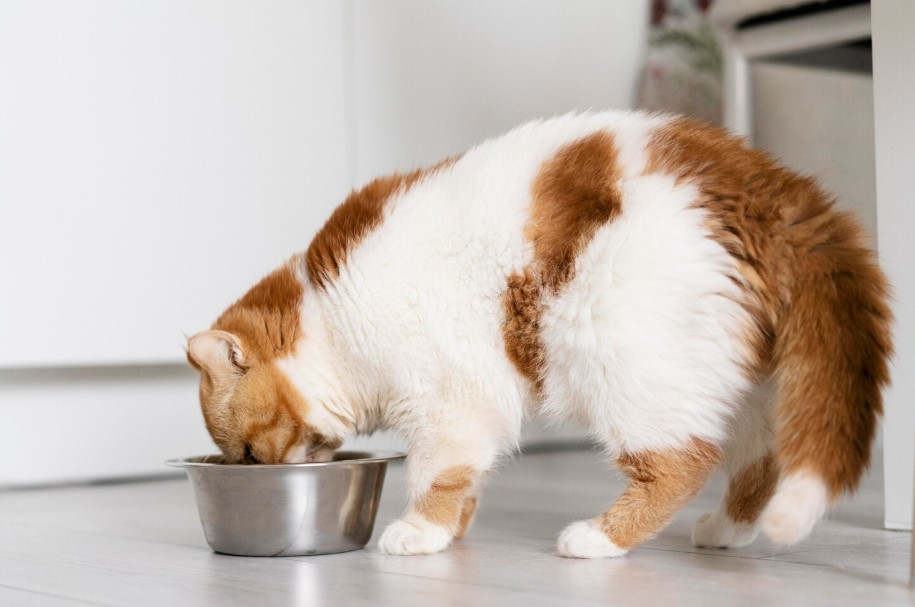
Your cat skips breakfast. Then dinner remains untouched. Suddenly, you are staring at the bowl and wondering, how long can cats go without food before it becomes dangerous?
Cats may occasionally miss a meal because of stress, a new food, or a minor stomach upset. However, ongoing appetite loss is different. A cat that stops eating may have dental pain, nausea, kidney disease, an infection, or another health problem that needs attention.
The safest approach is not to wait and see how many days your cat can survive. Instead, watch the clock, look for other symptoms, and contact your veterinarian early.
How Long Can Cats Go Without Food Safely?
There is no truly safe length of time for a cat to go without food.
A healthy adult cat may physically survive for several days if water remains available. However, serious health problems can begin long before starvation becomes the main concern. Veterinary guidance recommends seeking prompt attention when a cat has not eaten properly for about 24 hours. e, the practical answer to how long can cats go without food is much shorter than many pet owners expect:
|
Time without eating |
Recommended response |
|
One missed meal |
Observe closely and check for changes in behavior |
|
12 to 24 hours |
Contact your veterinarian, especially if appetite loss is unusual |
|
More than 24 hours |
Seek urgent veterinary advice |
|
Any period with serious symptoms |
Get immediate veterinary care |
|
A kitten, diabetic cat, senior cat, or sick cat refusing food |
Call a veterinarian as soon as possible |
Young kittens need frequent meals because they have small energy reserves. Newborn orphaned kittens may require feeding every two to four hours during their first week. A kitten refusing food should never be treated like a healthy adult cat that simply missed breakfast. ot Eating Is So Dangerous for Cats
Cats use protein and fat differently from humans. When a cat suddenly stops eating, its body begins using stored fat for energy.
The liver must process this fat. If too much fat reaches the liver, especially in an overweight cat, it can build up inside liver cells. This condition is called feline hepatic lipidosis, or fatty liver disease.
Hepatic lipidosis is a serious and potentially fatal illness. It is commonly linked to a period of severe appetite loss and often develops because another medical condition caused the cat to stop eating in the first place. Overweight cats have a higher risk. y include:
-
Continued refusal to eat
-
Rapid weight loss
-
Low energy
-
Vomiting
-
Drooling
-
Weakness
-
Yellow gums, skin, or eyes
-
Hiding more than usual
This is why the question is not only how long can cats go without food. You also need to ask why your cat stopped eating and whether other symptoms are developing.
Why Is My Cat Not Eating?
Appetite loss is a symptom, not a diagnosis. The cause can be as simple as disliking a new recipe or as serious as organ disease.
Dental or Mouth Pain
A cat may feel hungry but struggle to chew. Broken teeth, gum disease, mouth ulcers, infections, and oral tumors can make eating painful.
Watch for food falling from the mouth, chewing on one side, drooling, bad breath, pawing at the face, or walking away after trying to eat. Dental disease is especially common in older cats and may significantly affect their appetite. ea or Digestive Problems
Cats with nausea may sniff food, lick their lips, swallow repeatedly, or approach the bowl and turn away.
Possible causes include:
-
Hairballs
-
Constipation
-
Parasites
-
Pancreatitis
-
Intestinal inflammation
-
Food intolerance
-
A swallowed object
-
Sudden dietary changes
Pancreatitis in cats often causes vague signs such as reduced appetite, tiredness, vomiting, or weight loss. That makes professional evaluation important when appetite loss continues. ey, Liver, or Hormonal Disease
Kidney disease, diabetes, hyperthyroidism, liver disease, and other medical conditions can change a cat’s appetite. Some cats eat less because they feel nauseated. Others may initially eat more but later stop eating as the disease progresses.
Because many feline illnesses have similar symptoms, a physical examination and diagnostic testing may be needed.
Respiratory Infections
Cats rely heavily on smell when deciding whether food is appealing. Nasal congestion from an upper respiratory infection can reduce their interest in eating.
You may also notice sneezing, eye discharge, nasal discharge, fever, tiredness, or noisy breathing. Severe breathing problems require immediate care. ss or Environmental Changes
Have you recently moved, welcomed a new pet, changed feeding locations, or replaced your cat’s usual food?
Cats may eat less because of:
-
A new person or animal in the home
-
Boarding or travel
-
Loud construction
-
A dirty food bowl
-
Competition with another cat
-
A new feeding schedule
-
Sudden food changes
-
A bowl placed near the litter box
-
Changes in the food’s smell, texture, or temperature
Stress can affect appetite, but do not assume stress is the cause until medical concerns have been considered. Cornell notes that appetite loss may have behavioral or psychological roots, but it can also occur with many serious diseases. cation Side Effects
Some medications may cause nausea, stomach irritation, or changes in taste. Contact your veterinarian if your cat stops eating after beginning a new medication.
Do not stop prescribed treatment or change the dose without veterinary instructions.
Warning Signs That Need Fast Veterinary Care
Call a veterinarian promptly if your cat has not eaten properly for 24 hours. Contact them sooner when appetite loss occurs with another concerning symptom.
Seek urgent care if your cat has:
-
Repeated vomiting or diarrhea
-
Trouble breathing
-
Extreme tiredness or weakness
-
A swollen or painful abdomen
-
Yellow gums or eyes
-
Pale or blue gums
-
Signs of dehydration
-
Difficulty standing
-
Suspected poisoning
-
Straining to urinate
-
Blood in vomit or stool
-
Collapse or reduced responsiveness
Persistent vomiting or diarrhea can cause dehydration and may point to poisoning, an obstruction, or an acute infection. Do not force food or water into a weak or vomiting cat because this may make the situation worse. line should also be shorter for kittens, pregnant cats, seniors, diabetic cats, overweight cats, and cats with known kidney, liver, or digestive disease.
What to Do When Your Cat Refuses Food
When deciding how long can cats go without food, do not spend the entire 24-hour window trying home remedies. You can test a few safe options while arranging veterinary advice.
1. Confirm How Much Your Cat Has Eaten
In homes with multiple pets, it can be difficult to know which cat ate the food.
Feed the cat separately and measure the amount offered. Check whether your cat is eating treats but refusing regular meals, or refusing everything.
2. Offer the Familiar Food First
A sudden switch may cause rejection. Offer the food your cat normally eats unless your veterinarian has advised a dietary change.
Check the expiration date and smell the food. A bag may become stale after opening, while canned food can dry out if left uncovered.
3. Warm Wet Food Slightly
Warming wet food can increase its aroma and make it more attractive. It should feel slightly warm, not hot.
Stir it carefully and test the temperature before serving. You can also add a small amount of warm water to improve the smell and moisture level.
4. Provide a Quiet Feeding Area
Place the bowl in a calm location away from litter boxes, noisy appliances, children, dogs, and other cats.
Some cats prefer wide, shallow dishes because deep bowls may press against their whiskers.
5. Offer Small, Frequent Portions
A nauseated or stressed cat may feel overwhelmed by a large meal. Try a spoonful of food at a time.
VCA advises offering sick cats small, frequent meals of palatable, digestible food. Warming the food or gentle hand-feeding may also help, but veterinary guidance is important. o Not Force-Feed
Force-feeding can increase stress and food aversion. It can also cause food to enter the airway, leading to aspiration pneumonia.
If your cat cannot eat enough voluntarily, a veterinarian may recommend anti-nausea medication, appetite support, fluids, pain control, or a temporary feeding tube. e a human appetite stimulant or medication unless your veterinarian specifically prescribes it.
Choosing the Best Cat Food for a Poor Appetite
The best cat food is not simply the most expensive product or the one with the longest ingredient list. It should match your cat’s age, health, chewing ability, calorie needs, and veterinary recommendations.
For regular feeding, look for a nutritional adequacy statement indicating that the product is complete and balanced for your cat’s life stage. AAFCO explains that “complete” means the food supplies the required nutrients, while “balanced” means those nutrients are provided in appropriate ratios. etite is low, your veterinarian may suggest:
-
A highly palatable wet food
-
A soft texture for dental pain
-
An energy-dense recovery diet
-
A kidney-support diet
-
A gastrointestinal formula
-
A hydrolyzed or limited-ingredient diet
-
A kitten formula for growth needs
Do not make several food changes in one day. Constant switching can upset digestion and make it difficult to learn what your cat tolerates.
The best cat food during illness may be a veterinary diet designed for a specific condition. However, the correct choice depends on the diagnosis. A food that suits a healthy adult cat may not be appropriate for a cat with kidney disease, diabetes, urinary problems, or food allergies.
What Will the Veterinarian Check?
Your veterinarian will ask when the appetite change began, what your cat normally eats, and whether you have noticed vomiting, diarrhea, weight loss, thirst changes, urination changes, or unusual behavior.
The examination may include:
-
Checking the teeth and mouth
-
Measuring temperature and body weight
-
Feeling the abdomen
-
Assessing hydration
-
Listening to the heart and lungs
-
Running blood and urine tests
-
Taking X-rays or performing an ultrasound
-
Testing for infections or parasites
Treatment focuses on both nutrition and the underlying cause. A cat with dental pain needs a different plan from a cat with nausea, kidney disease, or an intestinal blockage.
How to Prevent Appetite Problems From Being Missed
A regular feeding routine makes changes easier to notice. Scheduled meals let you see whether food was eaten instead of guessing how much disappeared from a bowl that remained full all day.
VCA notes that a break in a cat’s established eating pattern can be an early warning sign that something is wrong. imple record of:
-
Daily food portions
-
Water intake
-
Weekly or monthly weight
-
Vomiting or stool changes
-
New medications
-
Changes in activity
-
Food transitions
Introduce new food slowly over several days unless your veterinarian gives different instructions. Regular dental examinations and wellness visits can also catch painful or chronic conditions before appetite loss becomes severe.
Take Action When Your Cat Stops Eating
When asking how long can cats go without food, use 24 hours as an action point, not a waiting target. Call sooner when your cat is young, elderly, overweight, diabetic, already ill, or showing other symptoms.
Start tracking the time of the last proper meal. Offer a small amount of familiar, warmed food in a quiet place, but do not force-feed. Then contact your veterinarian and explain exactly what your cat has eaten, how long the appetite change has lasted, and which symptoms you have noticed.
Once medical problems have been addressed, choose the best cat food for your cat’s life stage and health needs. Early action gives your cat the strongest chance of returning to comfortable, normal eating.
Frequently Asked Questions
Can a cat go 48 hours without food?
A cat may survive 48 hours without eating, but that does not make it safe. A full day without proper food is already a reason to seek veterinary advice. Waiting longer increases the risk of dehydration, weakness, worsening illness, and hepatic lipidosis.
How long can cats go without food but still drink water?
Water may prevent immediate dehydration, but it does not protect a cat from malnutrition or fatty liver disease. Even when your cat continues drinking, contact a veterinarian if they have not eaten properly for about 24 hours.
What if my cat eats treats but not cat food?
Eating treats shows that your cat has some interest in food, but it does not rule out dental pain, nausea, food aversion, or illness. Treats are usually not complete and balanced meals. Monitor the amount eaten and arrange veterinary advice if normal eating does not resume.
Should I give tuna to a cat that will not eat?
A small amount of plain tuna may tempt some cats, but it should not replace a complete diet. Avoid tuna packed with seasonings, sauces, onions, garlic, or excessive salt. More importantly, do not let temporary interest in tuna delay veterinary care.
When should I worry about a kitten not eating?
Call a veterinarian promptly. Kittens need frequent nutrition and can become weak faster than healthy adult cats. Refusing food alongside vomiting, diarrhea, crying, low energy, or feeling cold requires immediate attention.